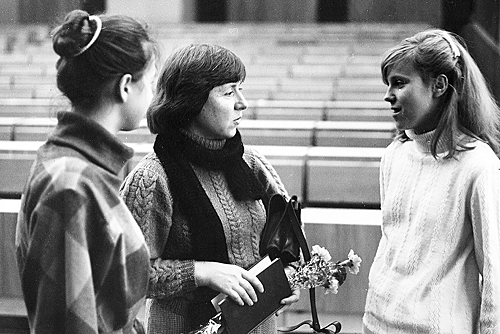
Svetlana Alexievich
“I immediately understood that in order to truly capture a historical moment, I needed to write a history of feelings rather than of events.”
“I immediately understood that in order to truly capture a historical moment, I needed to write a history of feelings rather than of events.”

“Journalism requires a horizontal gaze; it is absolutely factual. On the other hand, fiction requires a vertical gaze—delving deeper into the non-facts, the unconscious, the realm of the imaginary.”
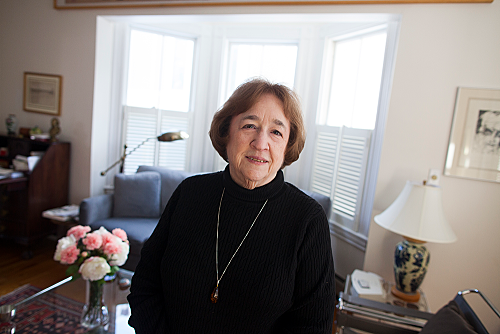
“A female who expresses herself decisively seems to this world someone armed with ammunition.”
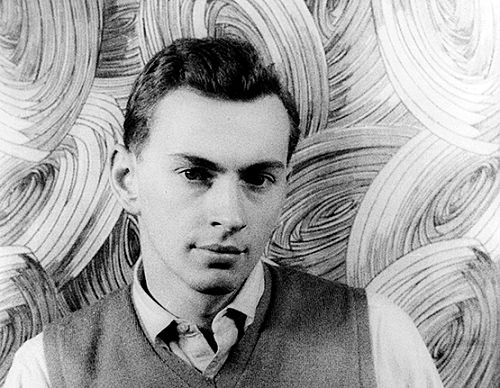
“First coffee. Then a bowel movement. Then the muse joins me.”
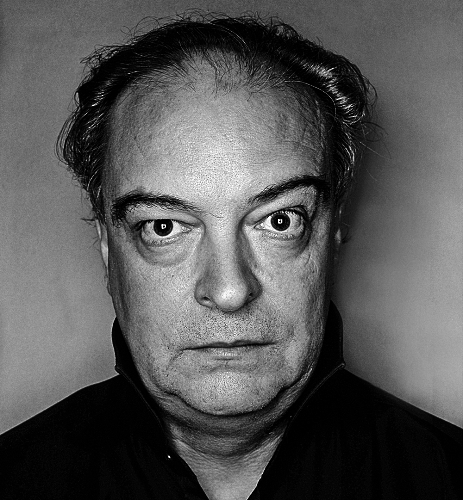
“Literature is a mirror with the capacity, like some clocks, to run ahead of time.”
“Well, the best way [to improve your female characters] is to have relationships with a lot of different women. What's the best way to do that? It's to pick up whores.”
"Literature should not disappear up its own asshole, so to speak."

“In Russia I don't need advertising . . . But here, for example, if you stop somebody's car and say, ‘A Russian poet wants to read,’ you hear, ‘What? A Russian poet? Read a book? What?’”

“A Calypsonian performer is equivalent to a bullfighter in the ring.”
“It puzzles me that people say my work is difficult. If you read it, it’s very simple.”
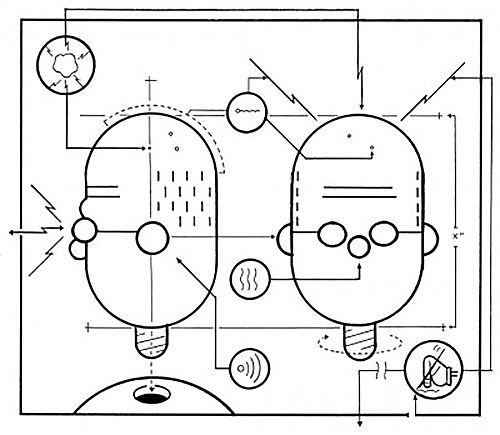
“I think cartooning gets at, and re-creates on the page, some sixth sense ... in a way no other medium can.”
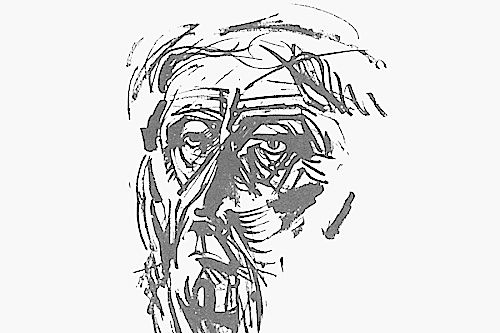
“America is stuck with its self-definition put on paper in 1776, and that was just like putting a burr under the metaphysical saddle of America.”
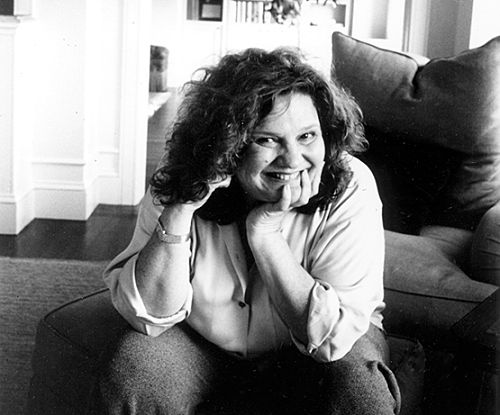
“I think there is real anger in life to be expressed, there is great injustice, but I also think there is dignity.”
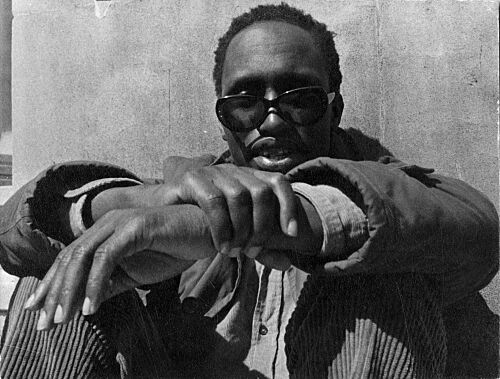
“Gĩkũyũ is the language I feel more. English is just what I’m used to now.”
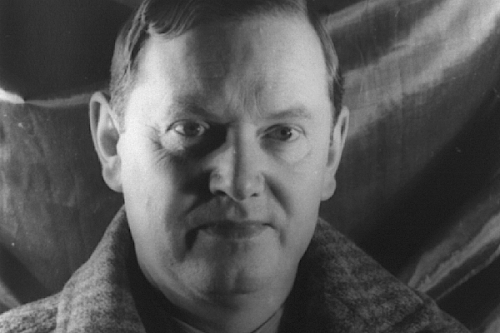
“An artist must be a reactionary. He has to stand out against the tenor of the age and not go flopping along; he must offer some little opposition.”

On translating Italo Calvino: “I had problems with Calvino because he thought he knew English . . . At one point he fell madly in love with the word feedback . . . ”
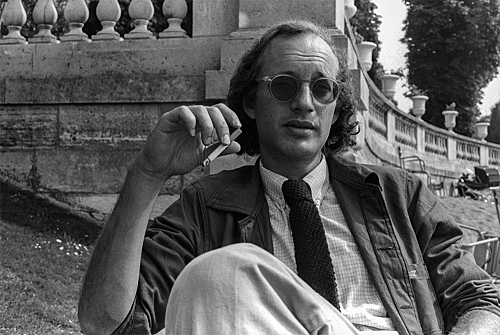
“Except for my less than two years at Stony Brook, I’ve never been in any scene or community, ever.”

“TV writing is for people who hate being alone more than they hate writing.”
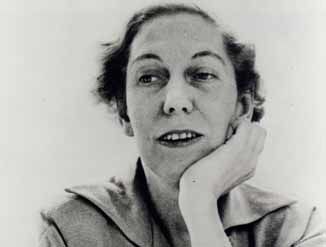
“Once you're into a story everything seems to apply—what you overhear on a city bus is exactly what your character would say on the page you're writing. Wherever you go, you meet part of your story.”
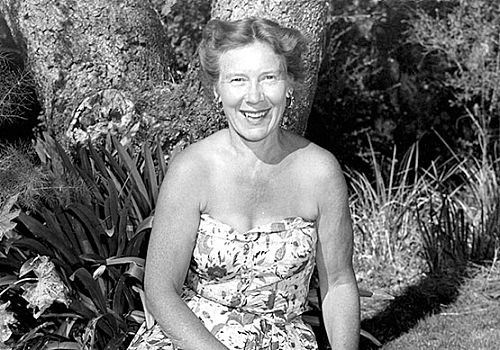
“I go to sleep reading and I wake up reading. Somehow I have the feeling that in some book is the great treasure I’ve been looking for all my life.”

“[The difference between women and men is the difference between] idiots and lunatics.”
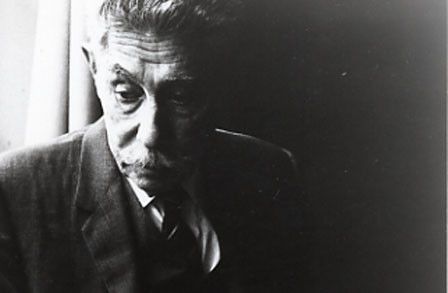
“If a poet is really good he can give you a moment of reconcilement to the tragic nature of things.”

“People are like animals and the city is full of people in strange plumage.”

“Thoreau [was] a man of some humor along with his bile.”

“For me, the truth of the music, the truth of the blues, is immediacy.”
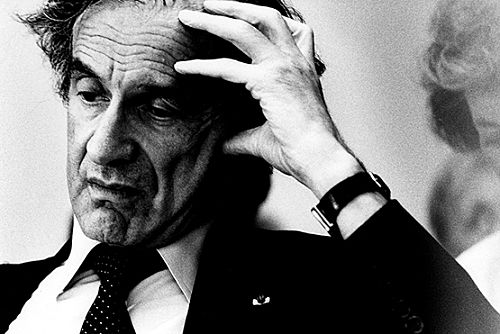
“When I say I don't speak about God, it means theologically, the whole theological art, which is a way of reaching the attributes of God: What is He doing? Who is He?”

“One of the jobs of poetry is to make the unbearable bearable, not by falsehood but by clear, precise confrontation.”

On fighting against didactic intentions: “I've spent a large part of my life trying to sit on it, to keep it down . . . I think the struggle with it may have brought a certain kind of objectivity into my work.”
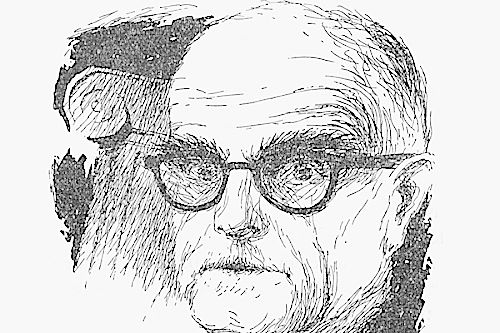
On fighting against didactic intentions: “I’ve spent a large part of my life trying to sit on it, to keep it down … I think the struggle with it may have brought a certain kind of objectivity into my work.”
“I think the writer has to be responsible to signs and dreams. If you don’t do anything with it, you lose it.”
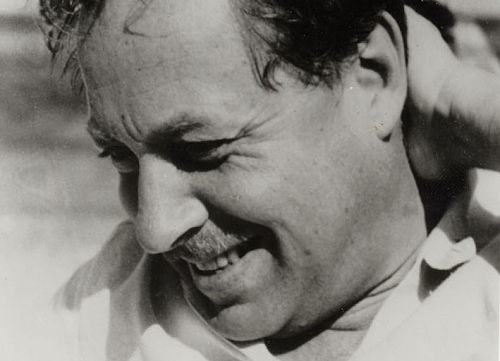
“I’m a poet. And then I put the poetry in the drama. I put it in short stories, and I put it in the plays. Poetry’s poetry.”
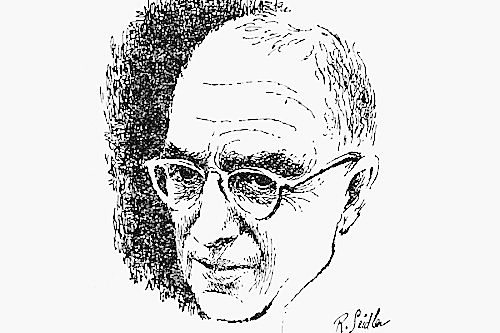
“Eliot wanted to be regular, to be true to the American idiom, but he didn't find a way to do it. One has to bow down finally, either to the English or to the American.”
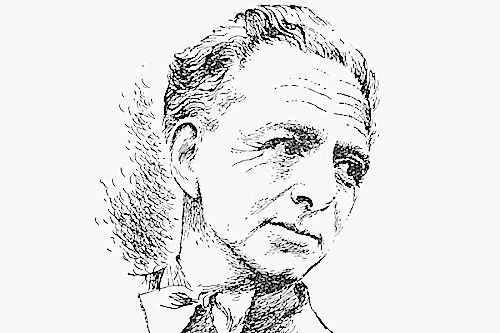
“I don’t think it’s the novelist's job to give answers. He’s only concerned with exposing the human situation, and if his books do good incidentally that’s all well and good.”

“I don’t write particularly to effect social change. I believe writing can do that, but that’s not why I write. I work as an artist. All art is political in the sense that it serves someone’s politics."
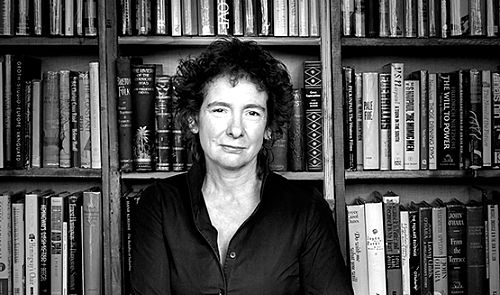
“I can't find a model, a female literary model who did the work she wanted to do and led an ordinary heterosexual life and had children. Where is she?”

“Before the film is finished, I have to be able to put into words why I have selected each shot and the meaning I attach to the order of the sequences.”
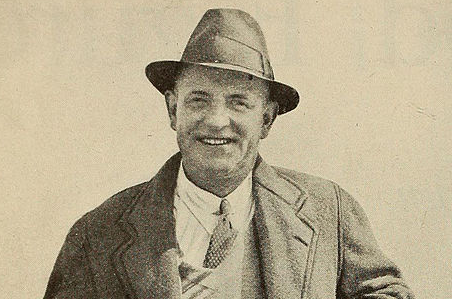
"Those rather hit-or-miss days have passed away. But thank God, that doesn’t seem to matter!"

“It is folly to believe that you can bring the psychology of an individual successfully to life without putting him very firmly in a social setting.”

“All I need is a window not to write.”

“If one has to write poorly before one can write well . . . and if that can be extended to read that one has to write deplorably before one can write extraordinarily well, then I definitely started in the right place for the latter.”

"Poetry can keep life itself alive. You can endure almost anything as long as you can sing about it."
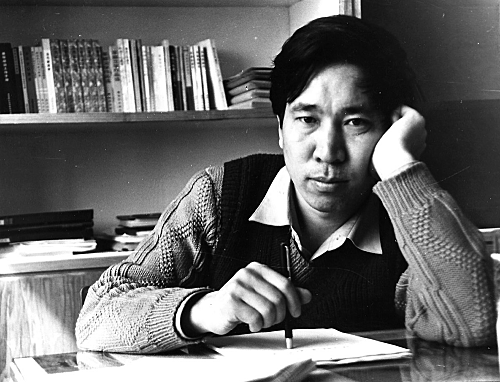
“When an author is no longer working toward publication, he has the greatest freedom.”

“Truth is as delicate as a tender plant. It has survived a harsh winter and now will grow.”

“At the age of eighteen all young poets are sure they will be dead at twenty-one—of old age.”

On her refusal to publish with Virago Press: “I did not want to be published by them because they publish only women. It reminds one of ladies' compartments in nineteenth-century trains . . . ”
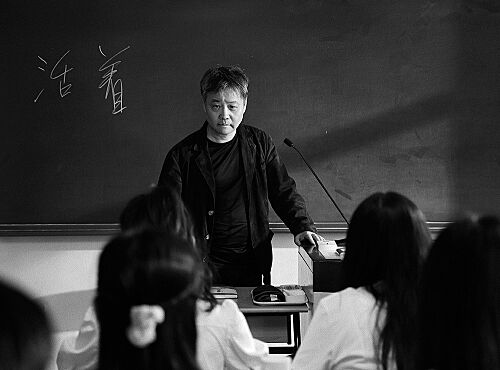
“You live one life of invention and another in reality. As the first grows, the second shrinks—there’s no way around it.”