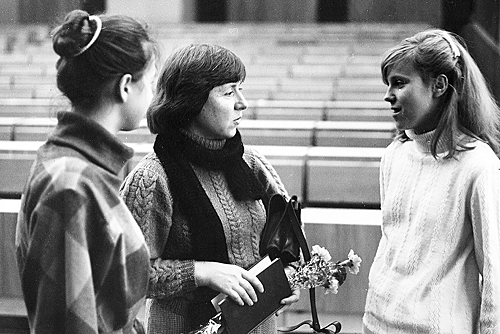
Svetlana Alexievich
“I immediately understood that in order to truly capture a historical moment, I needed to write a history of feelings rather than of events.”
“I immediately understood that in order to truly capture a historical moment, I needed to write a history of feelings rather than of events.”

“The point of view I take is the point of view of Diogenes, which is that when a man owns a lion, a lion owns a man. The thing about technology is that it owns us.”

On a “favorable” review in the Times of London: “[It] began with these chilling words: ‘To speak of a good novel from a Canadian writer sounds like the beginning of a bad joke.’”
“I find what happens in reality very interesting and I don’t find a great need to make up things.”
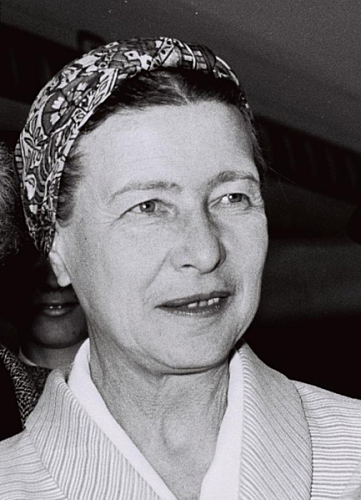
“I’ve shown women as they are, as divided human beings, and not as they ought to be.”

“I was a kid who liked art and theater and dance and music, but if you lived in Harlem, high culture was somewhere else, and it wasn’t black.”
“There's the shattering randomness of [the Kennedy assassination]: the missing motive, the violence that people seem to watch simultaneously from a disinterested distance.”

“One of the difficulties in writing poetry is to maintain your sense of excitement and discovery about what you write.”

“I think of writing anything at all as a kind of high-wire act. The minute you start putting words on paper you’re eliminating possibilities. Unless you’re Henry James.”
“Writing nonfiction is more like sculpture, a matter of shaping the research into the finished thing.”
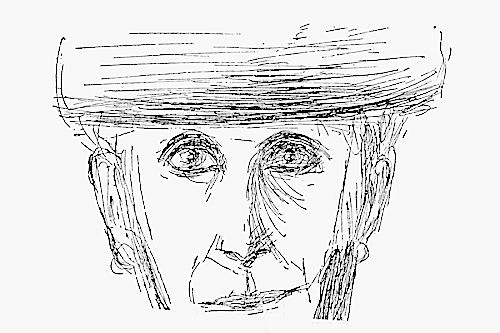
“The present is always unsettled, no one has had time to contemplate it in tranquillity.”

On fiddling with scenes from history: “Well, it's nothing new, you know. When President Reagan says the Nazi S.S. were as much victims as the Jews they murdered—wouldn't you call that fiddling?”

“So I knew I had to write a book that would be the best work in the world. It was that simple.”

“I think the desire to observe, to put down what you see as accurately as possible, is still paramount.”
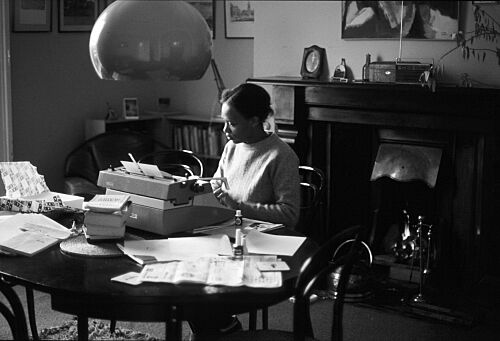
“I told myself, Thank goodness those poets proclaimed Black is beautiful, because now I can talk about how Black is everything.”

“I’ve often worried about this—that if one got really very happy in life, one might not want to write at all.”

“When I did Dutch Shea, Jr., I knew the last line was going to be, ‘I believe in God.’”
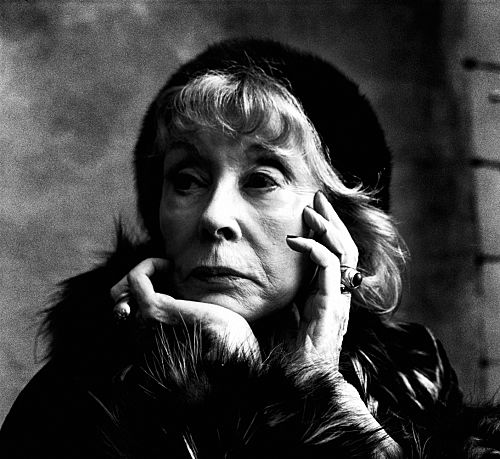
“Being forced at the age of twenty-two to sit at a typewriter on the night shift of United Press and turn out trade stories in a manner of minutes—this took some of the fear [of writing] away. Like five percent.”

“‘Do you consciously dream?’ One doesn’t know very much about these processes at all.”
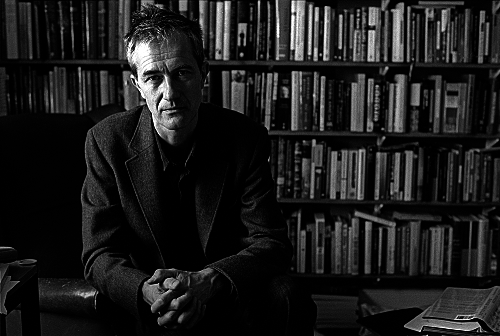
“The process of book writing for me is entirely one of trial and error.”

“I suspect that there is no serious scholar who doesn’t like to watch television. I’m just the only one who confesses. ”

On biographers: “James invited his future biographers to seek him out in what he called the ‘invulnerable granite’ of his art. That's so Jamesian—the ‘invulnerable granite.’”
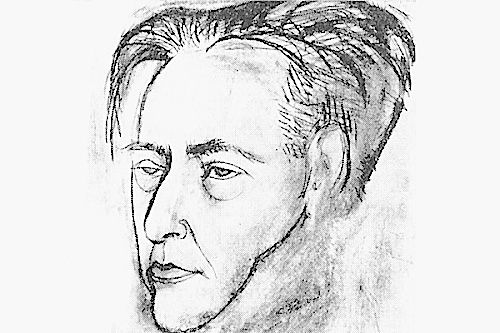
“[Flaubert said] ‘If you want to describe courage, do not become a soldier; a lover, do not fall in love; a drunkard, do not drink wine.’ There is … a brilliant refutation of this theory: Stendhal.”
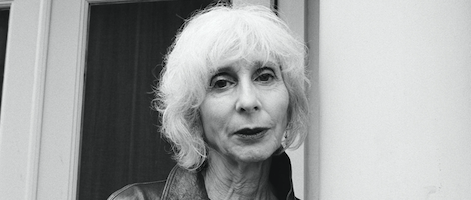
“I’m a person with virtually no feelings.”
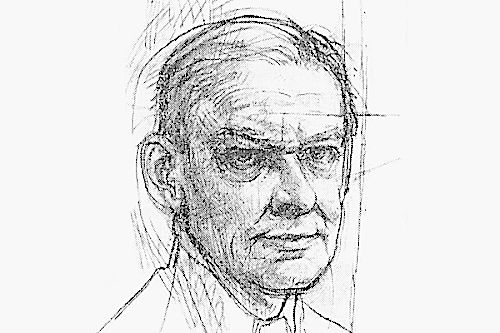
“I couldn’t apply the word ‘intention’ positively to any of my poems. Or to any poem.”
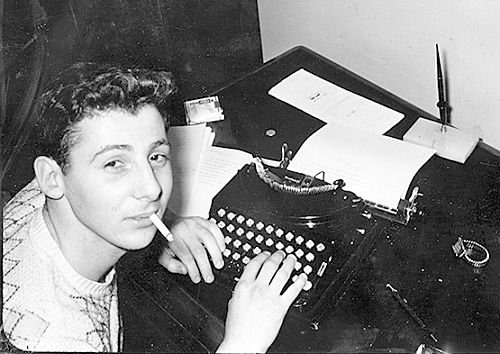
“We all die, yes? We suffer, correct? The score keeps changing, is it not so? And Mommy holds us on the teeter-totter before we can sit upright on chairs.”
On American Psycho’s Patrick Bateman: “The more he acquires, the emptier he feels. On a certain level, I was that man, too.”
“The American novel is … a conquest of the frontier; as it describes our experience, it creates it.”

“I’m a perfectionist. I go to great lengths to get it all right. It’s the biggest challenge I face when I’m writing. If you’re confused about something in one of my books, you’ve just got to realize, Ellroy’s a master, and if I’m not following it, it’s my problem.”
"It’s because you’re always fighting sentiment. You’re fighting sentimentality all of the time because being a mother alerts you in such a primal way."
“Every novelist should possess a hermaphroditic imagination.”
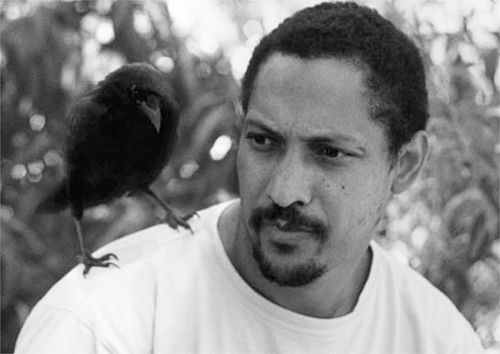
“What I want to do is write something that seems like it means something and doesn’t. I want to write a novel that even I don’t understand.”

On assembling a Homeric football team: “I know who'd be thrown off the team as captain. Agamemnon. He's a disaster as a leader!”
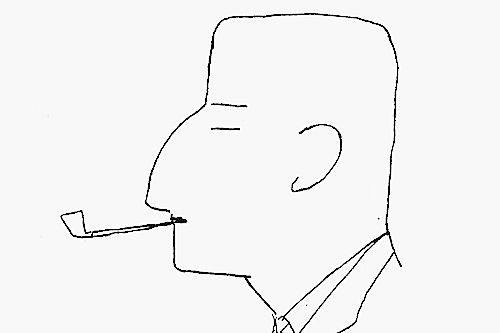
“Don’t bother just to be better than your contemporaries or predecessors. Be better than yourself.”
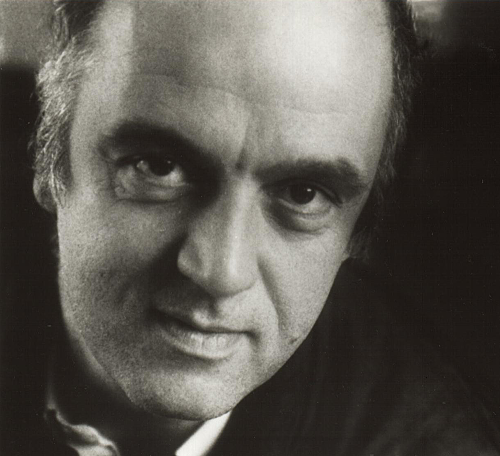
“What happened to poetry in the twentieth century was that it began to be written for the page.”
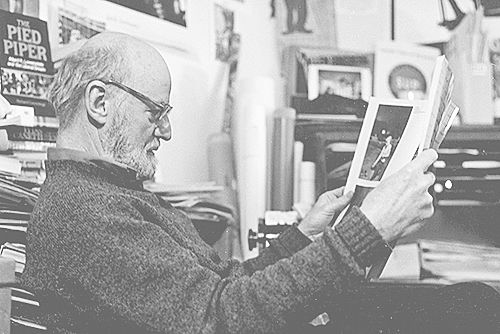
“Coming from New York, when I was a kid, anything west of the Hudson was out of this world.”
“As a girl—twelve, thirteen years old—I was absolutely certain that a good book had to have a man as its hero, and that depressed me.”

On slang: “The test of a given phrase would be: Is it worthy to be immortal? . . . ‘I guess I’ll split’ is not going to be immortal and is excludable, therefore excluded.”

“The institution of slavery is a stain on this nation's soul which will never be cleansed . . . There's a second sin that's almost as great, and that's emancipation.”

“Once Tobias Wolff and I gave a reading out in North Dakota, and a man came up to tell us he read our books during his lunch breaks, sitting on his tractor out in the wheat fields.”
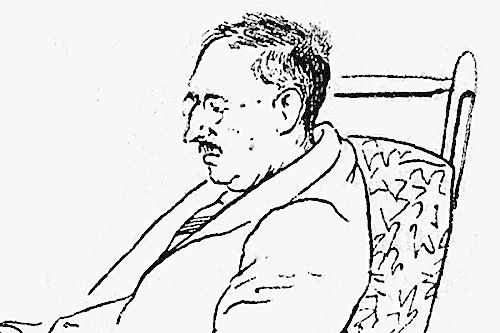
“I have always found writing pleasant and don’t understand what people mean by ‘throes of creation.’”

“Oxford in the late 1940s was ... a happy dream, an alternate world ... in a sense a novel we had heard of, but never actually read until then.”
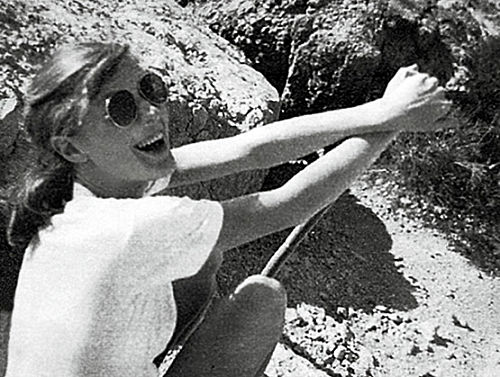
“I recall lying on a bed, looking at a manuscript on the floor as I reached to turn pages, and thinking to myself, I must mean everything I say, every word.”
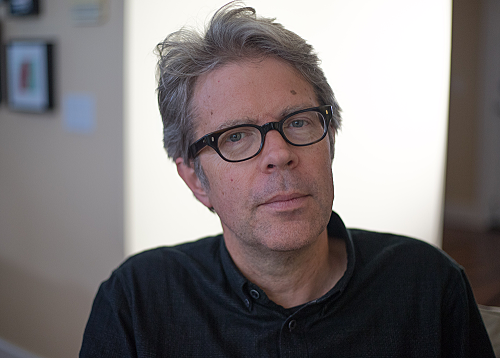
“More and more, I think of novel writing as a kind of deliberate dreaming.”
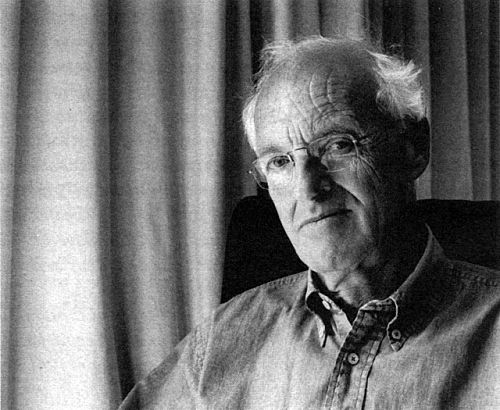
“If I were to give serious practical advice to a young writer about how to succeed I would say: ‘Write the same book, or the same play, over and over again, just very slightly different . . .’”

“[There’s] the idea that by birth you are born a sinner. Why? I didn't ask to be born. Why do I have to be born on a blacklist?”
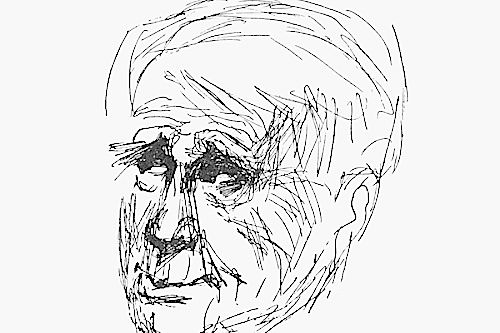
“… Why don't critics talk about those things—what a feat it was to turn that that way, and what a feat it was to remember that, to be reminded of that by this?”
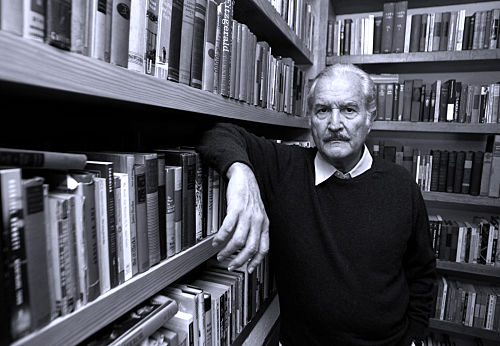
“I remember going [in 1939] to see ... a film in which Richard Dix played Sam Houston. When the Alamo came around, I jumped up in my seat shouting ‘Death to the gringos! Viva México!’”

On how art effects social change: “I like that image of art dropping down through the various layers of the individual’s psyche, into dreams, stirring around there and then surfacing later in action.”